

The US-China rivalry has turned out to be the most complex and a tug war kind of competition. In 2026, it is defined by escalation trade wars, rare earth dominance, and heightened military risks in South China Sea and Taiwan Strait. Experts warn that while cooperation on climate and health is possible, distrust and strategic competition are pushing both nations toward costly conflict. Let’s explore the future of Global Power Dynamics with the two poles of Global Order.

Key Dimensions of the Rivalry
1. Trade & Technology:
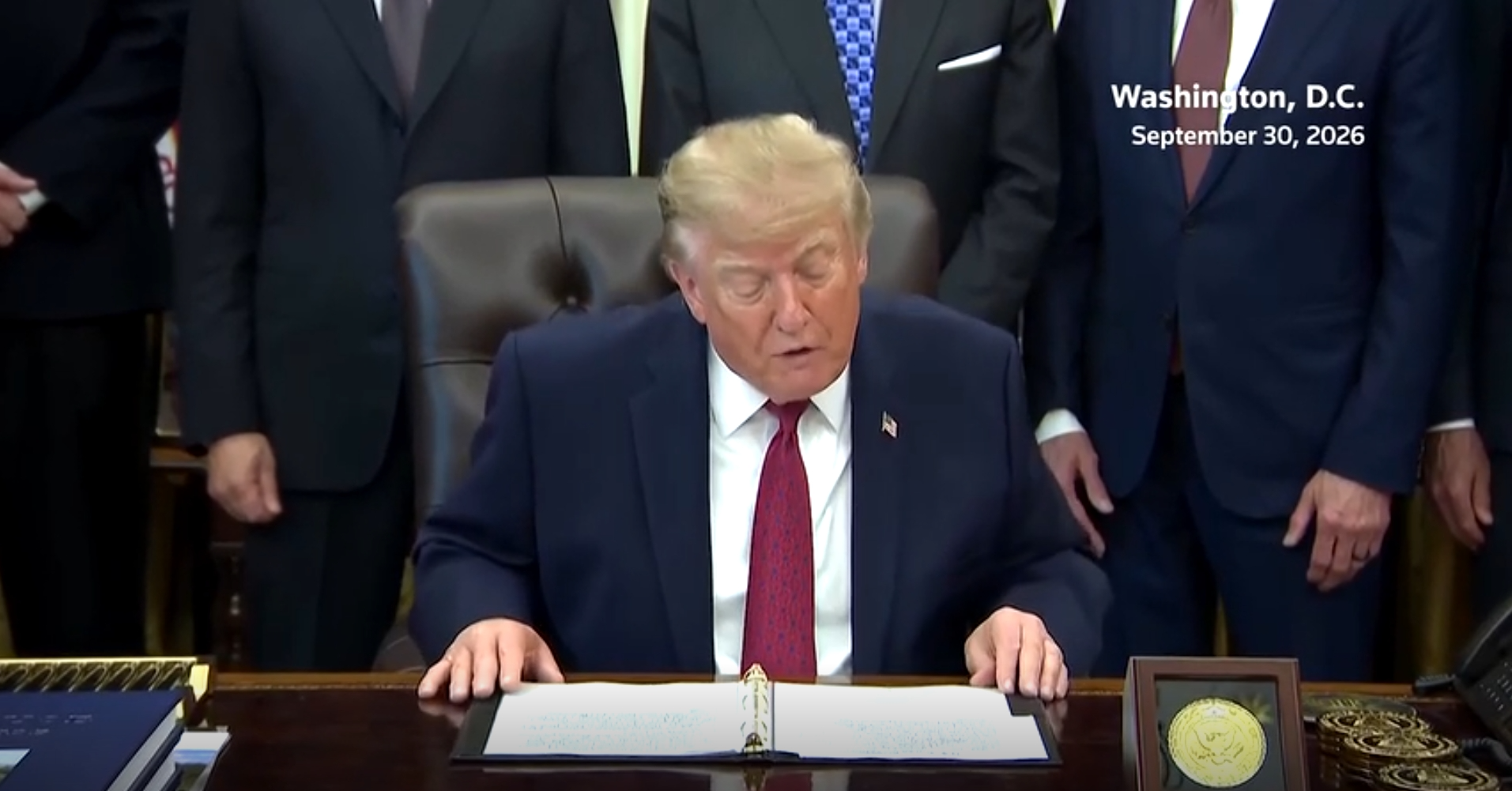
- Tariff war that started in 2017 by US Prez Donald Trump, intensified in 2025, with partial easing only after Trump-Xi talks.
- Critical minerals & semiconductors: China leveraged rare earth export controls; the U.S. responded with a new semiconductor and minerals partnership in early 2026.
- Supply chains: Despite fragmentation, both economies remain interdependent in tech and clean energy.
- Semiconductor wars: The U.S. leads new alliances to secure chip supply chains, while China leverages rare earth dominance.
2. Military & Security
- South China Sea: 43% of experts see it as the most likely flashpoint for escalation in 2026.
- Taiwan Strait: 33% expect rising tensions; risk of U.S.–China conflict over Taiwan is higher than last year.
- PLA readiness: Internal purges weakened leadership but not China’s ability to project force.
- Japan factor: 71% of experts foresee moderate escalation against Japan due to Taiwan-related disputes.
3. Global Alliances
- China–Russia alignment: Strengthening ties challenge U.S. dominance in Eurasia.
- U.S. partners: Europe and Asia are struggling to coordinate responses, though new partnerships on semiconductors and minerals are emerging.
- Indo-Pacific strategy: U.S. allies like Japan, South Korea, and India are recalibrating their roles amid uncertainty
4. Areas of Potential Cooperation
- Climate change: Both nations need collaboration on emissions reduction and clean energy. China is largest emitter of greenhouse gas in the world, followed by US and India
- Public health: Shared interest in pandemic preparedness and aging populations.
- Demographics: Fiscal sustainability challenges could foster dialogue. Yet, distrust makes structured cooperation difficult.
5. Risks & Global Implications
- Economic fallout: Inflation and disrupted supply chains.
- Security flashpoints: Taiwan and South China Sea risk military confrontation.
- Global governance: Rivalry slows progress on climate, health, and multilateral cooperation.
Conclusion
The Future of Global Power Dynamics is being written in real time through the rivalry between the United States and China. What began as a bilateral contest has expanded into a global struggle shaping trade, technology, security, and governance. In 2026, cooperation remains possible, but distrust and competition dominate the landscape, making this rivalry the single most pivotal factor in determining the trajectory of international relations.
Both nations are continuously competing to gain the upper hand — whether through economic leverage, technological supremacy, or military deterrence. The outcome will not only define their bilateral relationship but also set the course for the Future of Global Power Dynamics across the 21st century.
China vs US: click here to read
Is China a superpower? click here to read


Leave a Reply