
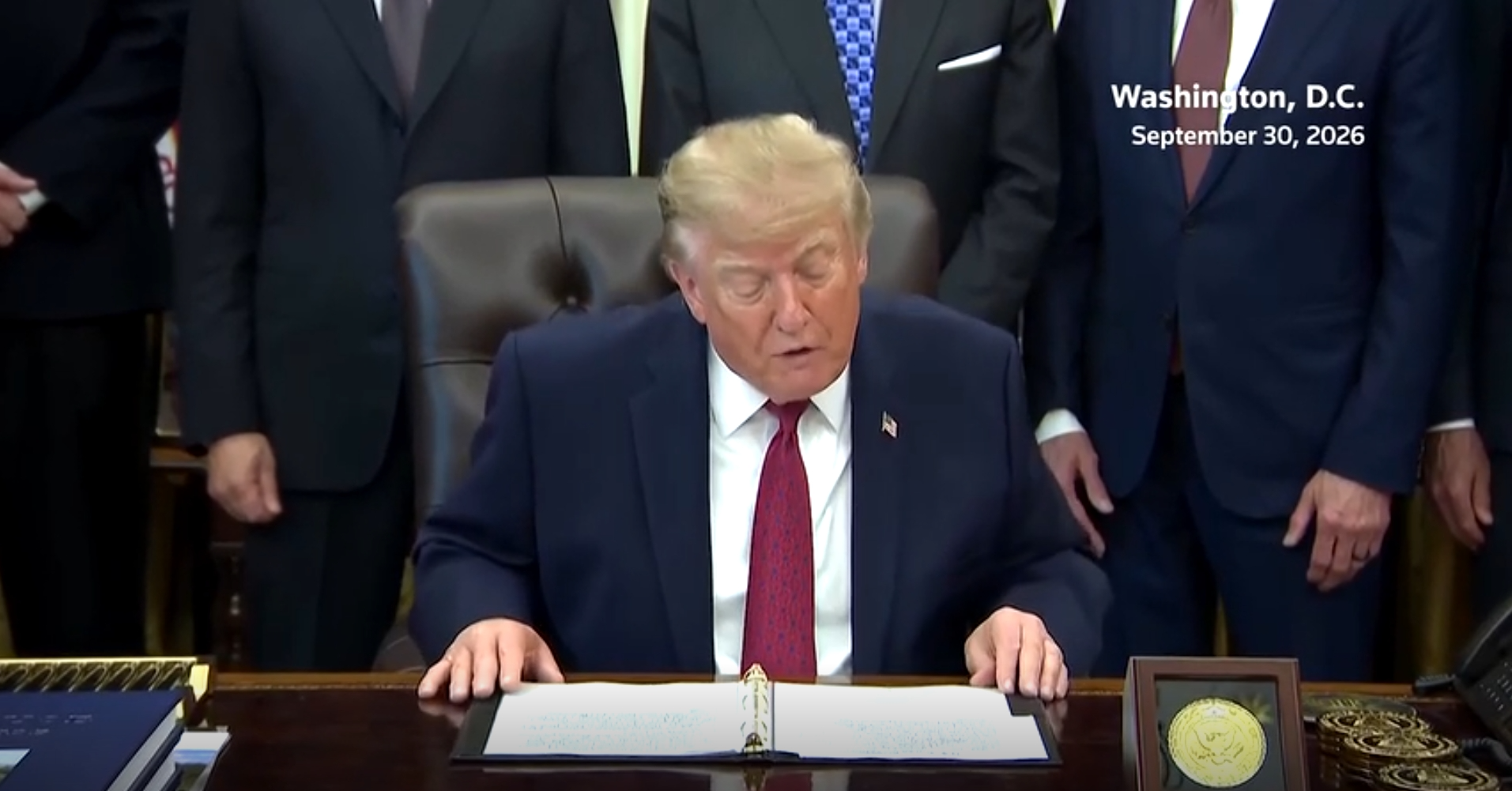
Recent trump economic announcements 2026 midterms have brought international diplomacy directly into the domestic campaign spotlight. This notably happened when White House hosted a high-profile press event. It started showcasing a massive $54 billion South Korean investment in the long-stalled Alaska LNG pipeline. Framed as a cornerstone of a broader bilateral energy pact, the announcement projected American industrial resurgence and tightly bound Asian allies to North American resource corridors.

There was just one critical issue: Seoul didn’t get the memo that the deal was final.
Within 24 hours, South Korea’s Ministry of Trade, Industry and Resources pushed back. Its message: Washington’s definitive language went well beyond what the two sides had actually agreed. Multi-decade energy investments abroad demand commercial viability, legal compliance, and finalized financing, and Seoul had signed off on none of it.
For international relations observers, this episode exposes a recurring weakness in modern grand strategy. The domestic election calendars drive the pace of complex transpacific trade negotiations.
The Intersection of Domestic Elections and Foreign Policy
In the field of foreign policy, major infrastructure projects involving sovereign wealth, FDI, and international partners usually require years of quiet, meticulous diplomatic groundwork. However, when domestic political pressures mount—such as the high-stakes cycle surrounding trump economic announcements 2026 midterms—the boundary between foreign statecraft and domestic campaign theater begins to blur.
- Strategic Geography: The Alaska LNG project and the Iowa steel plant announcements share a common denominator. They target vulnerable incumbent Republican Senate seats (in Alaska and Iowa respectively) facing tough electoral challenges.
- The Transpacific Friction: By publicly declaring a foreign partner’s financial commitment before ink has met paper, the administration risks diplomatic friction. Foreign capitals like Seoul are left in the delicate position of having to publicly correct an ally’s overzealous timeline without entirely derailing broader bilateral relations.

Economic Realities vs. Diplomatic Posturing
From a macro-energy perspective, the Alaska LNG initiative faces steep hurdles. Independent analyses have routinely noted that Alaska LNG faces immense cost burdens. It could potentially cost more than double comparable Gulf Coast rivals. And when coupled with long-term contract risks and shifting global demand patterns, it could be catastrophic.
For an export-oriented nation like South Korea, capital allocation is governed by strict corporate governance and economic rationality. It has nothing to do with the political electoral cycles. While Seoul is navigating a massive strategic investment framework with the United States is playing a different game. It’s, pegging billions of dollars to a specific, high-cost pipeline depends entirely on private-sector feasibility studies and final investment decisions. It does not depend on the Oval Office declarations.
The Broader Lesson for Statecraft
When domestic campaigns leverage international economic agreements for short-term political boosts, it risks transforming serious foreign policy milestones into transient headlines.
As foreign partners learn to decode the hyper-accelerated cadence of American electoral cycles, the credibility of Washington’s international economic announcements faces a unique test. Ultimately, genuine transpacific energy security and investment cannot be willed into existence by a press conference. They require the patient, unglamorous mechanics of international commerce that operate entirely outside the timeline of a midterm election.
- US vs China: click here to read
- US-Iran war: click here to read


Leave a Reply